A different way to arrive in Tokyo
Tokyo moves to several competing rhythms. Around its great railway terminals, the crowds can feel choreographed; in the narrow streets beyond them, a noodle shop or a tiny shrine may seem to belong to another century. It is tempting to choose a hotel that competes with the spectacle, all height, glass and views. The Kitano Hotel Tokyo makes a more interesting proposition: that the luxury of a stay in this extraordinary capital might begin with the ability to retreat from it.
Its address is Hirakawacho, in Chiyoda, a district more closely associated with government offices, embassies and the formal geography of central Tokyo than with the neon theatrics of Shinjuku. Nagatacho station is nearby, and the Imperial Palace precinct lies to the east. The setting gives the hotel a distinct personality. This is not a place where every moment is designed to feel like a tourist attraction. Rather, it is a considered base from which to explore the city, and somewhere to return when the day’s impressions need time to settle.
That distinction matters in Tokyo. The best journeys here are often built from contrasts: a museum in the morning, a quiet garden in the afternoon, a crowded dining counter after dark. A hotel capable of accommodating both energy and repose becomes part of the experience rather than simply its overnight address.
A Tokyo address with a longer memory
The Kitano story at this location reaches back to the Kitano Arms, established in 1964, a year closely associated with Tokyo’s emergence on the international stage through the Olympic Games. The present hotel emerged from a comprehensive refurbishment of that earlier property. Its name therefore carries more than the convenient suggestion of a fashionable boutique opening: it acknowledges a site with an established social history.
The former Kitano Arms was known as a gathering place for people from the worlds of politics, business and culture. The rooftop bar now bears its name, an unusually tangible link between the contemporary hotel and its predecessor. It is a small but effective gesture. In a city where buildings and businesses can be reinvented with remarkable speed, continuity gives a hospitality address depth.
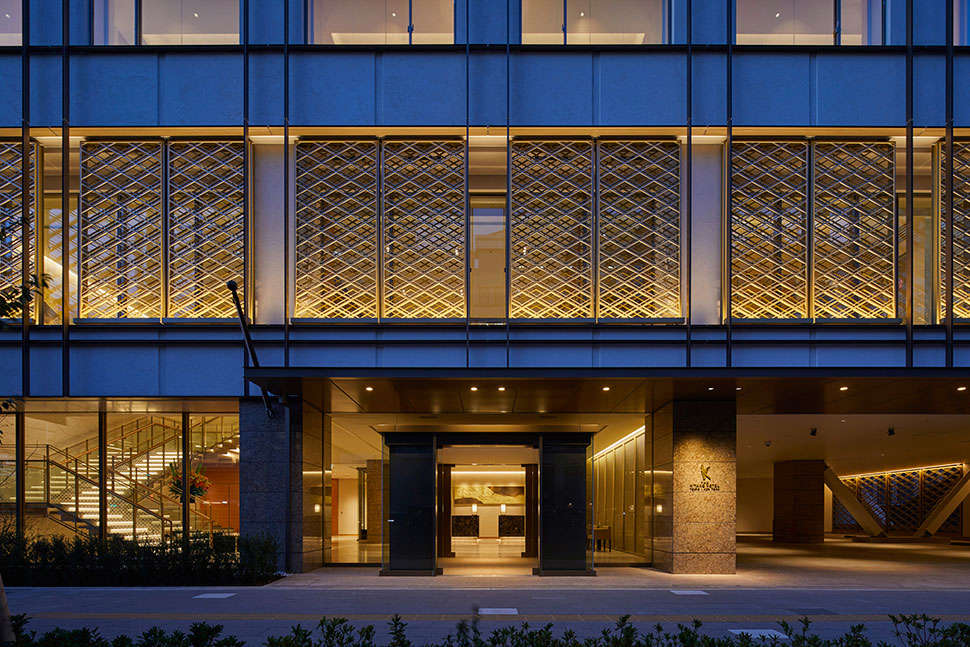
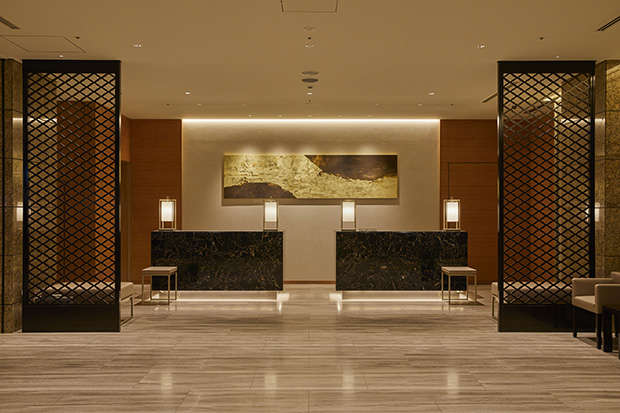
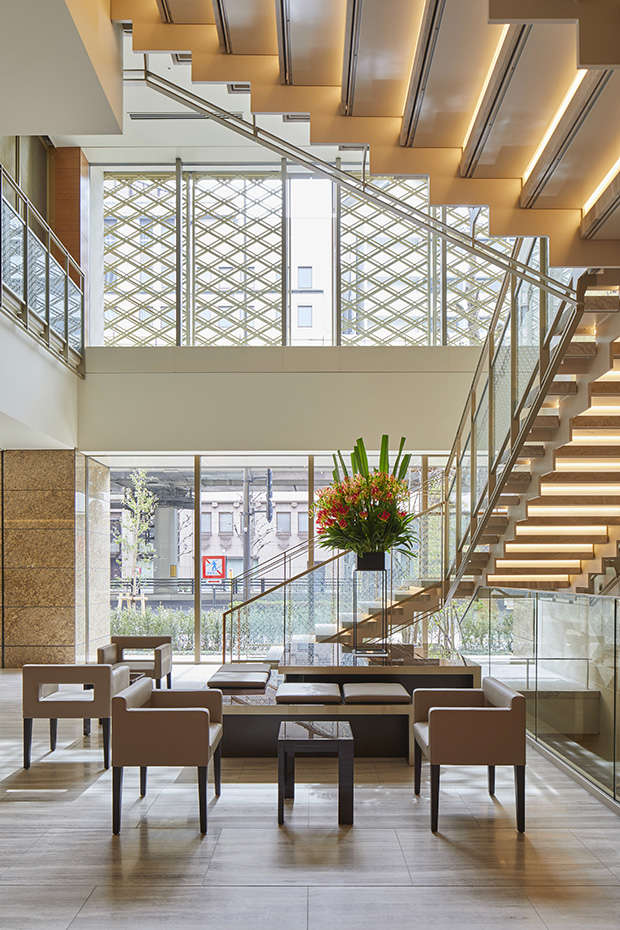
There is no attempt here to manufacture an antique atmosphere. The architecture and interiors are contemporary, with a deliberate Japanese sensibility. According to the hotel’s own account, its design thinking was influenced in part by work connected with the Kitano Museum of Art in Togakushi. The aim was not to stage a decorative version of Japan for international visitors, but to create a setting whose proportions, materials and rhythms would make returning feel natural.
Architecture that knows when to be quiet
One of the most appealing things about Japanese design is its capacity to give an ordinary gesture significance: placing a cup on a table, opening a window, noticing a seasonal motif underfoot. At The Kitano Hotel Tokyo, this sensibility is translated into the everyday practicalities of an urban stay. The spaces are designed to be used, not merely photographed.
The hotel’s approach is especially apparent in the accommodation. Its 70 rooms are divided into 14 types, a relatively intimate scale for a capital where luxury hotels often occupy vast towers. The superior rooms measure 36 square metres, generous enough to accommodate a proper desk, a sofa and the kind of circulation space that makes unpacking feel worthwhile. Cherry-wood furnishings lend warmth without overwhelming the room’s restrained palette.
Seasonal patterns are worked into the carpets: cherry blossoms for spring, waves for summer, autumn leaves and the white snow hare of winter. Such references could easily become heavy-handed. Here they are intended as a quieter form of storytelling, a reminder that the Japanese calendar is not simply a sequence of dates but a changing language of colours, plants and associations.
The hotel’s official description also emphasises windows that can be opened, double glazing to moderate street noise and materials selected with sensitivity to allergies. These are not glamorous details in a conventional brochure sense. They are, however, precisely the details that shape how well a room works after a long flight, an early meeting or a day spent walking the city.
The art of feeling at home, far from home
The four suites extend the idea of comfort into something closer to residential living. Equipped with kitchens, washing machines and substantial storage, they are conceived for guests who want to remain in Tokyo long enough to develop a routine. It is an important distinction: a short visit asks a hotel to impress, while a longer one asks it to become easy to inhabit.
Elsewhere, practical amenities such as desks and guest laundry facilities support the same philosophy. A deep bathtub, separate shower and a room arranged for both rest and work can make the difference between a stay that is simply luxurious and one that is genuinely comfortable. The hotel’s preference for a domestic sense of ease is not an excuse for modest ambition; it is the organising idea of the property.
There is also an interesting tension between the Japanese and international elements of the experience. The interiors draw on local aesthetics, while the expectations they answer are recognisably global: reliable connectivity, space to work, thoughtful bathrooms and the freedom to establish one’s own pace. Rather than treating these as competing demands, The Kitano brings them together. That makes it particularly persuasive for travellers whose visit combines professional commitments with a desire to discover the city.
A table between culinary cultures
Food gives this discreet address a broader vocabulary. The hotel’s current dining collection brings together French cooking, Japanese tea culture and Edomae sushi, allowing guests to move between culinary traditions without leaving the building. It is a more interesting proposition than a single signature restaurant expected to represent every mood of a stay.
L’Orangerie Koh-an, the main French restaurant on the second floor, takes its name and visual inspiration from an orangery. Its stated approach is to offer food that feels gentle and restorative, an idea in keeping with the hotel’s emphasis on comfort. The restaurant offers set menus and, at dinner, an à la carte choice. Rather than claim an extravagant gastronomic revolution, the concept places pleasure, balance and the pleasure of sitting down properly at the centre of the meal.
For a different experience, Sushi Ohmi specialises in Edomae-style sushi, a tradition associated with the historical food culture of Tokyo, formerly Edo. At a sushi counter, much of the pleasure lies in attention: the handling of rice, the preparation of fish, the rhythm of service and the quiet exchange between chef and guest. The hotel describes Sushi Ohmi as an intimate establishment with a chef trained in Ginza. It offers a fitting counterpoint to the more European vocabulary of L’Orangerie.
Earlier material about the property referred to Sant Pau and the Catalan chef Carme Ruscalleda. That belongs to the history of coverage of the hotel rather than its current official dining lineup. For travellers planning a visit now, the relevant names are L’Orangerie Koh-an, Sushi Ohmi, Tea Lounge Kafu and Kitano Arms Lounge. In a city where restaurant concepts evolve quickly, the distinction is worth making.
Tea, bamboo and the pleasure of an unhurried hour
Tea Lounge Kafu offers another way to understand the hotel’s temperament. Overlooking a bamboo grove, the lounge incorporates a tokonoma, the traditional alcove used to display a scroll, flowers or another carefully chosen object. The arrangement changes with the seasons, allowing the room to acknowledge the passing year without transforming itself into a theatrical set.
For an international traveller, such details offer an accessible introduction to a Japanese appreciation of setting and occasion. One need not arrive with a specialist knowledge of tea ceremony to enjoy the experience. The pleasure can be as simple as sitting with a drink, noticing the light and allowing the day’s schedule to loosen its grip.
Tokyo’s most memorable moments are not always its most expensive or elaborate. They can occur in a pause between appointments, or when the city outside continues at full speed and one has decided, for a little while, not to follow. Kafu gives that pause a physical address.
Above the city, a familiar name returns
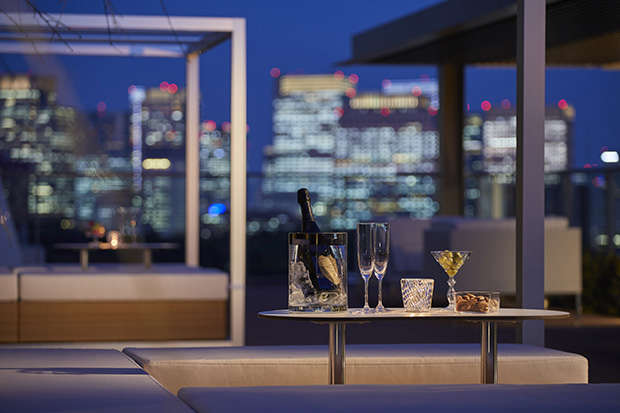
By evening, the mood changes on the ninth floor. Kitano Arms Lounge occupies the rooftop, with indoor seating and an outdoor terrace looking across Tokyo’s illuminated skyline. The bar serves wines, champagne and accompanying dishes, offering an altogether more sociable conclusion to the day.
Its name recalls the former Kitano Arms, but the experience is firmly of the present. Tokyo after dark is a landscape of luminous windows, changing weather and an almost unimaginable density of lives unfolding at once. Seen from a rooftop, the city becomes less overwhelming and more legible: a constellation of neighbourhoods rather than a single restless machine.
The terrace is also described as having seasonal plantings, including weeping cherry and camellia. It is a characteristic Japanese touch, connecting the metropolitan panorama with the natural calendar. In spring or winter, the scene will register differently. The attraction is not merely a view but the opportunity to watch the city change while remaining comfortably apart from it.
Wellbeing beyond the conventional spa
Wellness at The Kitano is not organised solely around the familiar international luxury-hotel formula of treatment cabins and scented corridors. The property’s listed facilities include a beauty salon, an acupuncture and chiropractic clinic and a specialist dental clinic. These services have different purposes and should not be mistaken for a single all-inclusive spa programme; availability and appointments are best confirmed directly.
For guests who prefer exercise, the hotel also lists a fitness room accessible around the clock. The broader point is that wellbeing here is understood as something practical and personal, extending from the quality of sleep to the ability to keep a routine while travelling.
It would be easy to describe every quiet hotel as a sanctuary. The more persuasive argument for The Kitano is concrete. Its bedrooms are designed with noise reduction in mind. Its suites accommodate longer stays. Its food and tea spaces provide alternatives to the pace of the street. The amenities are not simply a catalogue; they reinforce a coherent idea of hospitality.
The neighbourhood is part of the story
Hirakawacho is an excellent starting point for travellers interested in a Tokyo that exists beyond the obvious postcard images. The nearby Nagatacho district is central to Japan’s political life, while Akasaka brings a different atmosphere of restaurants, bars and evening activity. The Imperial Palace surroundings provide an opportunity to appreciate a greener, more ceremonial side of the capital.
This is not to suggest that the hotel sits in a secluded village. Tokyo’s scale remains immediately apparent, and the city’s public transport network opens the way to very different neighbourhoods. Ginza offers shopping and refined dining; Marunouchi combines major commercial buildings with an architectural landscape shaped by Tokyo Station; farther afield, the character of the city changes again around older temples, markets and residential streets.
The advantage of the Kitano address is the freedom to choose. Guests can set out early for a full itinerary or remain closer to the hotel, moving between business appointments, galleries and dinner. Returning to Hirakawacho can feel like a change of tempo without requiring a retreat from central Tokyo.
Why discretion still matters in luxury travel
Luxury is often discussed in terms of spectacle: the tallest tower, the largest suite, the most extraordinary entrance. Those qualities have their place. But a city as intense as Tokyo invites another measure of excellence, one concerned with how a hotel makes a guest feel over the course of several days.
The Kitano Hotel Tokyo is most compelling when understood through that lens. Its scale is manageable; its rooms are generous by urban standards; its design acknowledges Japanese seasons without resorting to caricature. The dining venues offer several distinct ways to spend an evening, while the rooftop gives the city its moment of drama. The older Kitano Arms identity lends a sense of continuity that newer addresses cannot simply invent.
None of this requires the visitor to abandon Tokyo’s excitement. On the contrary, the hotel’s restraint may make that excitement easier to appreciate. After the museums, the restaurants, the crossings and the trains, there is something deeply satisfying about a place that does not insist on one more performance. At The Kitano, the most memorable luxury may be the permission to be still.
Practical Information
Kitano Hotel Tokyo